Kittens have different nutritional needs than adult cats, so the food you give your young feline should be specially formulated for growing cats.
To help you select the best food for your kitten, we polled 299 real cat parents to hear firsthand which brand and type of cat food works for their household, while gleaning additional insights for felines of all sizes, ages, and breeds.
Giving your kitten the proper food will help them thrive fully as they develop vital organs and grow. Our favorite wet and dry kitten foods are from Hill’s Science Diet. The recipes for kittens are optimized with essential nutrients to support proper development and growth, and the food is often recommended by veterinarians and satisfied cat parents. But there are other cat foods we recommend that might fit you and your kitten’s needs even better.

What We Like
-
Formulated with essential nutrients
-
Protein tops ingredient list
-
Suitable for nursing and pregnant cats
To meet the nutritional needs of a growing cat, Hill’s Science Diet Kitten Food is formulated with DHA from fish oil for brain development and taurine for heart health. The brand is highly recommended by veterinarians, and among the cat parents participating in our survey, Hill’s Science Diet received the highest rating for ingredient quality satisfaction.
The food is manufactured in the United States with a blend of prebiotics for healthy digestion, vitamin E to promote skin and fur health, and calcium to support strong bones. For kibble, the Chicken Recipe is the primary formulation, but there is also a seafood-flavored option—Ocean Fish & Brown Rice—though it still contains chicken meal and chicken fat. If your kitten has food sensitivities, a variation of the Chicken Recipe is available without corn, wheat, or soy. There is also a version for indoor kittens, which often have a different level of energy and caloric needs.
The canned wet food for kittens from Hill’s Science Diet offers a boost in hydration, which is beneficial for most cats. The cans are equipped with a pull tab for easy opening and come in two sizes, 2.9 or 5.5 ounces. Flavors include Savory Salmon Entree, Savory Turkey Entree, Tender Chicken Dinner, Roasted Chicken & Rice, and Liver & Chicken Entree, which all have water as the first ingredient followed by animal-sourced protein.
Type: Dry, wet | Flavors: Chicken recipe; ocean fish & brown rice; chicken recipe free of corn, wheat; savory salmon entree; savory turkey entree; tender chicken dinner; roasted chicken & rice; liver & chicken entree
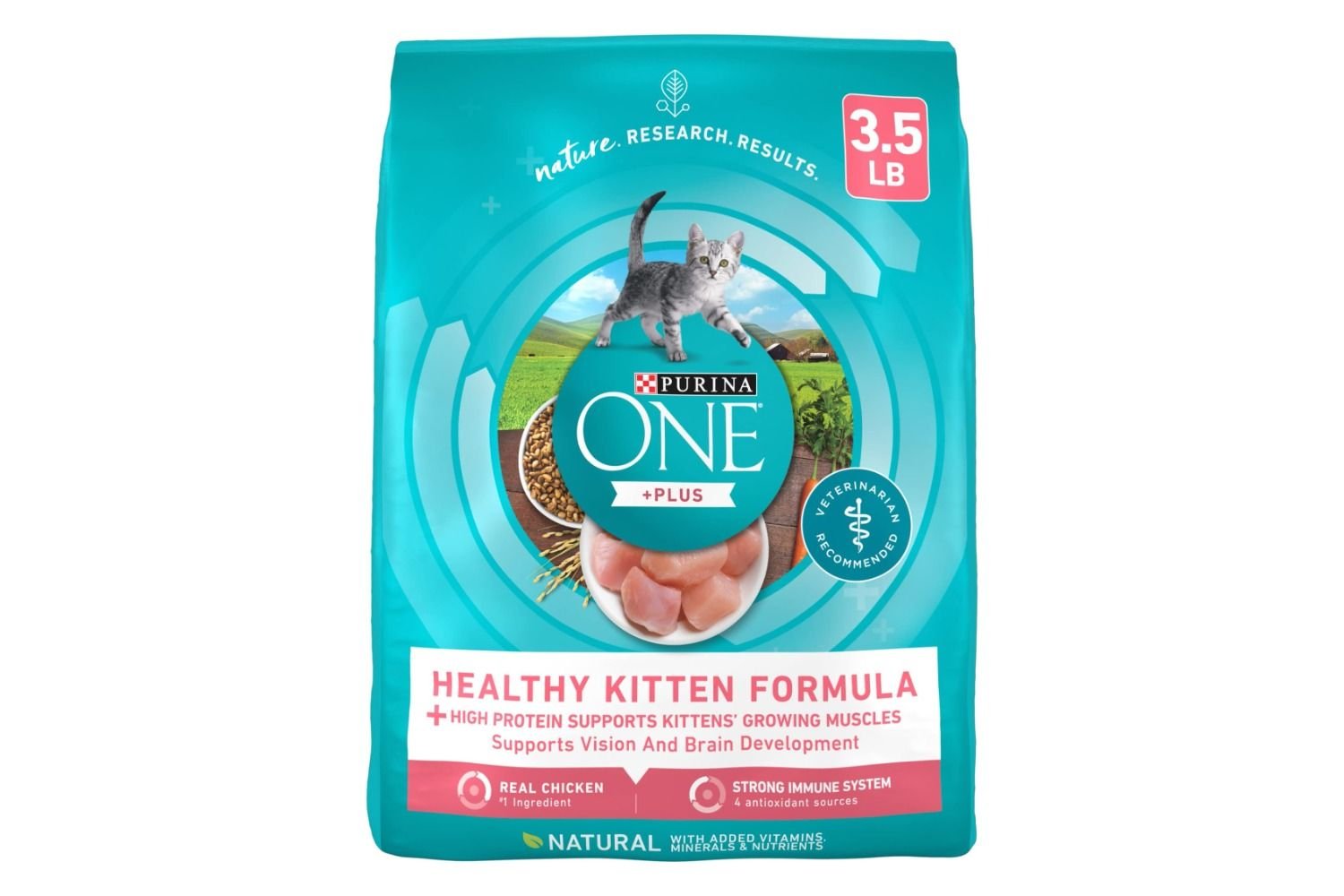
Purina One +Plus Healthy Kitten Cat Food is affordably priced, readily available, and a favorite among the current and former kittens who participated in our panel. The recipes for kittens include one dry food recipe and one wet food recipe. Both offer balanced nutrition for growing kittens and are made with real chicken as the first ingredient, but the wet food also includes salmon as a source of protein and natural nutrients.
The dry food is packaged in three sizes: 3.5-, 7-, or 16-pound bags, but even the largest bag of kibble runs out quickly if you are feeding more than one kitten at a time. The wet food will give your kitten greater ability to consume moisture, and the feeding guidelines recommend one 3-ounce can per 3.75 pounds of weight.
The Healthy Kitten foods are manufactured in the United States within Purina’s facilities, where the nutritional integrity of the food is consistently tested for accuracy and safety. A drawback to consider for this food is that the kibble is made with soybean and cornmeal, and the wet food contains more pork than salmon.
Type: Dry, wet | Flavors: Chicken; chicken & salmon
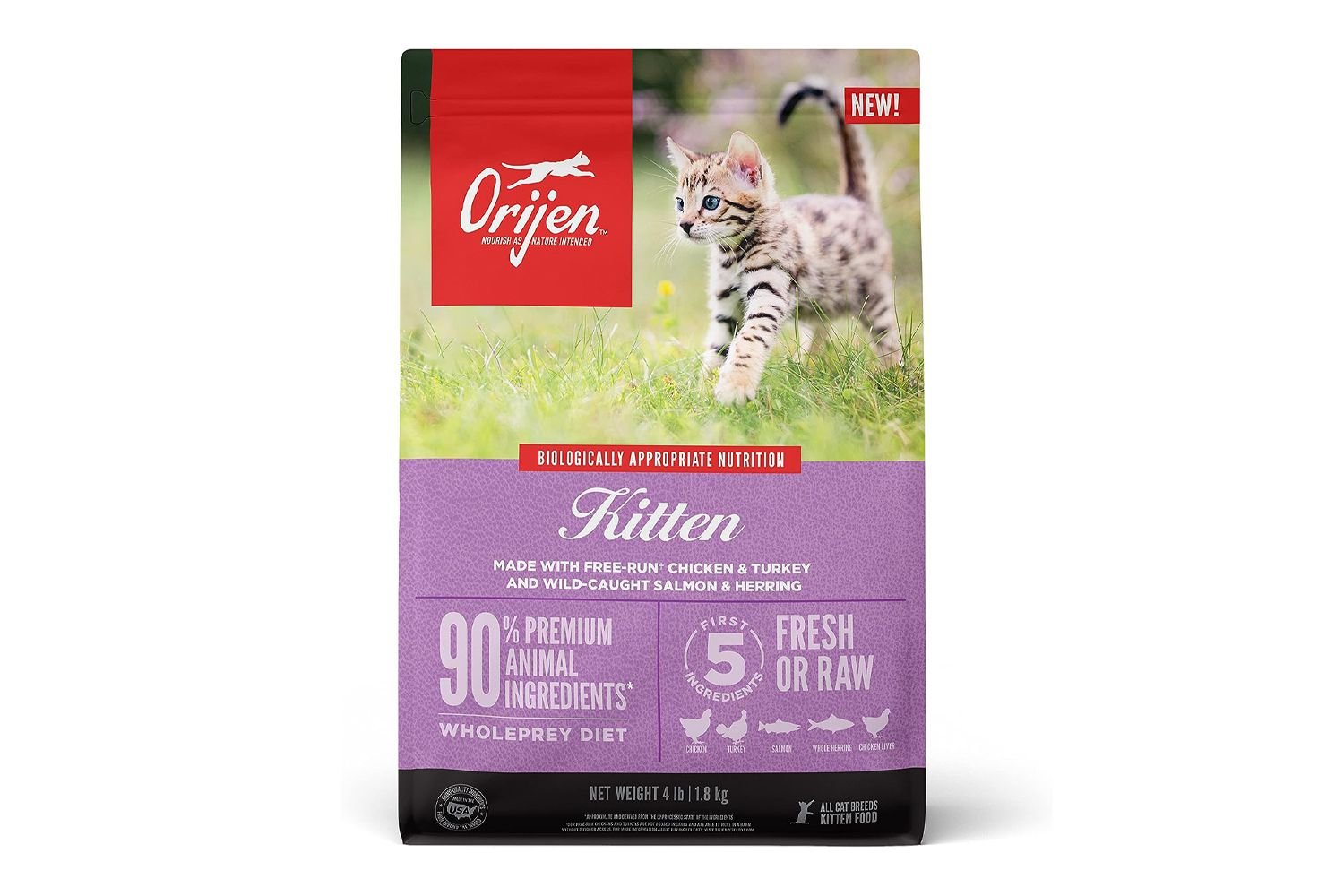
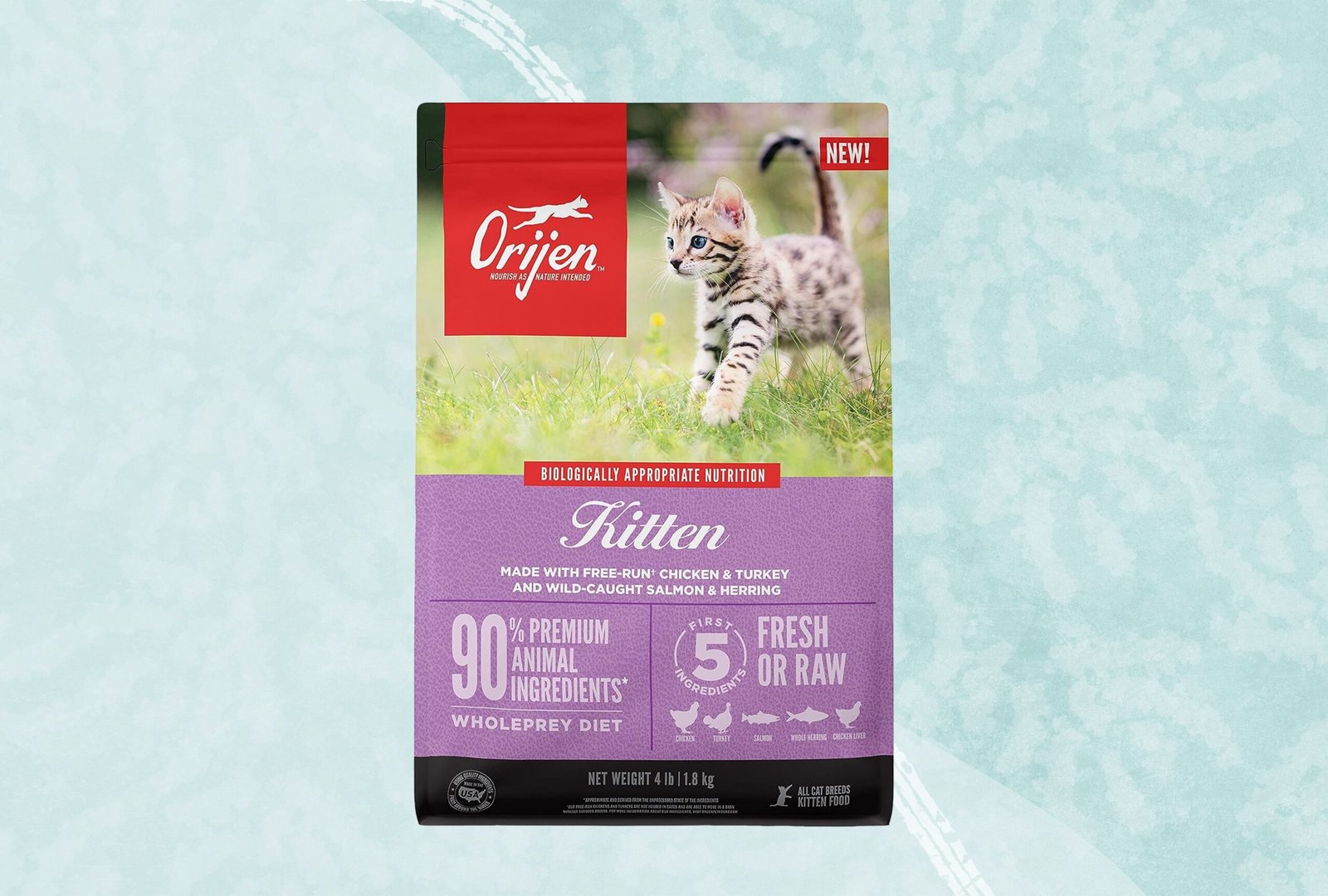
Orijen’s Kitten Formula is a high-protein and high-fat dry food with an impressive list of ingredients, including a variety of high-quality animal proteins. Kittens are obligate carnivores that thrive and survive best on protein-forward foods. This food has six different types of fresh or raw animal and fish proteins, including free-run poultry, wild-caught fish, and whole prey ingredients.
Whole prey ingredients include bone, organ, and muscle from protein sources and are most similar to what predatory felines eat in the wild. Whole prey proteins provide a wide range of vitamins, minerals, and micronutrients that might be added supplementally in non-whole prey food products.
This kitten kibble is also specially sized for smaller kitten mouths and features a freeze-dried raw chicken liver coating to entice even the pickiest of eaters. It can also be served with a little bit of water to soften it and add moisture if desired.
Orijen has an in-house nutrition and veterinary team that helps make sure its foods meet the dietary needs of your kitten. The foods also meet standards for nutritional adequacy set by the American Association of Animal Feed Control Officials (AAFCO)—an organization that sets minimum nutritional requirements you should expect of dog or cat food.
Orijen Kitten Formula is recommended for kittens at least 5 weeks old and can be stored outside of the refrigerator. It’s worth noting that although there are no grains in this kitten food, it does contain legumes such as chickpeas and whole peas, which are high in protein but also high in carbs, pushing this food into a higher carb content (around 18%) than we’d ideally want to see.
Type: Dry | Flavors: Chicken, turkey, salmon, herring, and chicken liver recipe
What We Like
-
No soy, wheat, corn, or by-products
-
No artificial flavors or preservatives
-
High protein and moisture
-
Salmon oil is beneficial
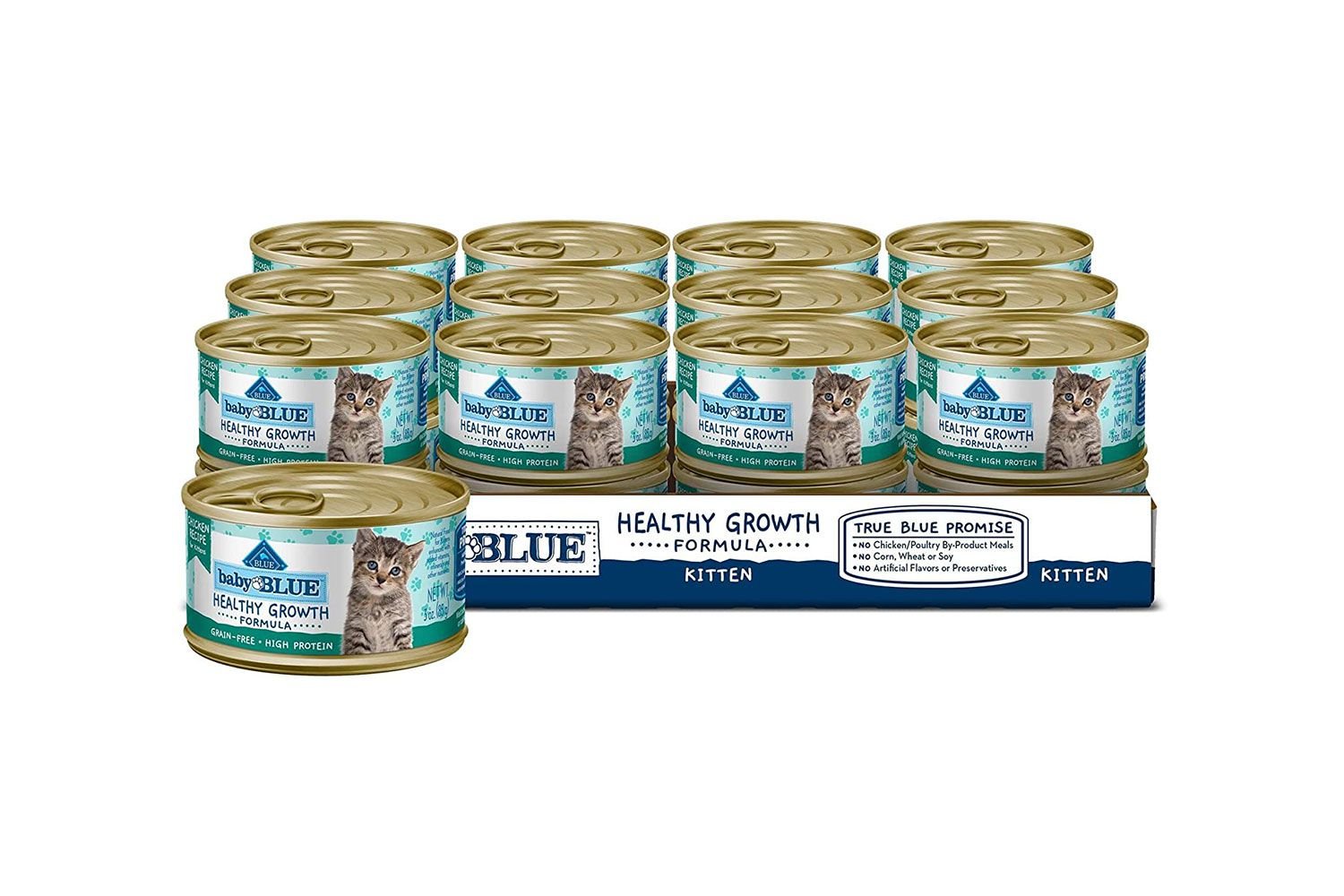
If you want to feed your kitten wet food, Blue Buffalo offers two Baby Blue Healthy Growth Formula recipes made with real salmon oil as a natural source of omega-3 fatty acids and DHA for strong cognitive development.
The protein-rich kitten foods start with chicken or salmon as the primary ingredient, along with fruits, vegetables such as potatoes and carrots, and flaxseed. Like all of Blue Buffalo’s pet foods, Baby Blue Healthy Growth Formula is made without grains, soy, corn, by-product meals, artificial flavors, or artificial preservatives. The wet food for kittens is made in the United States, packaged in 3-ounce cans with an easy-to-open pull tab, and often sold in cases of 24.
Type: Wet | Flavors: Chicken, chicken & salmon
What We Like
-
Humanely raised chicken and turkey
-
Transparent tracking of ingredients
-
No preservatives. artificial flavors, corn, wheat, soy, or grains
-
Non-GMO ingredients
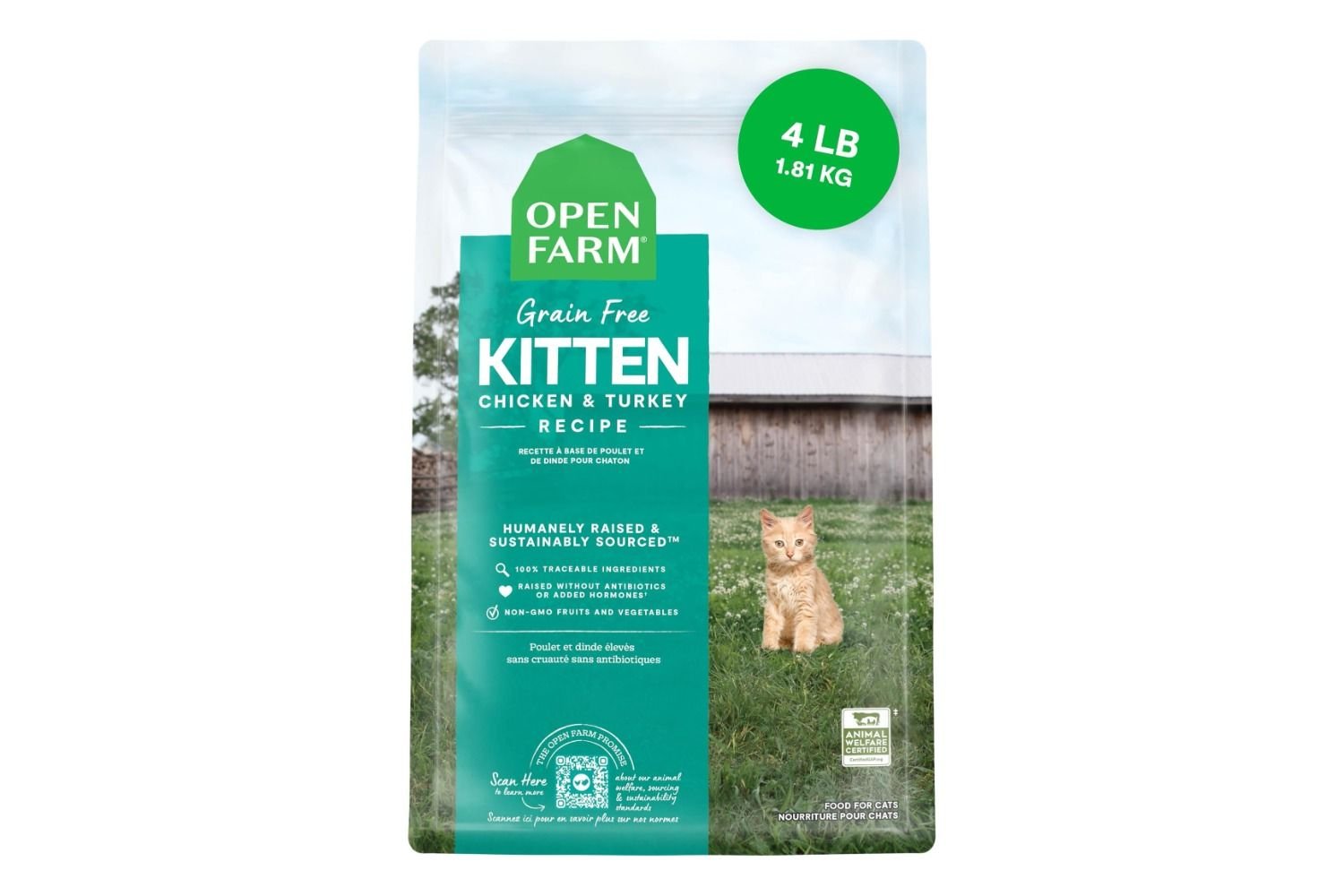
Open Farm uses humanely raised chicken and turkey to infuse its kitten food recipe with protein and natural nutrients. The kibble also includes non-GMO fruits, vegetables, and legumes, including dried chicory root, pumpkin, lentils, and cranberries, to support healthy digestion and development.
Open Farm partners with and is certified by the Global Animal Partnership (GAP) to promote and enforce humane and sustainable practices among farmers and fisheries. The certification for Open Farm’s grain-free kitten food means the food is made with animal products that have not been raised with antibiotics, steroids, or added hormones.
The food is also free of artificial preservatives, artificial flavors, corn, wheat, and soy. If you discover that your kitten has food sensitivities or allergies, Open Farm’s clear labeling makes it easier to avoid the culprit of your cat’s discomfort.
Type: Dry | Flavor: Chicken & turkey
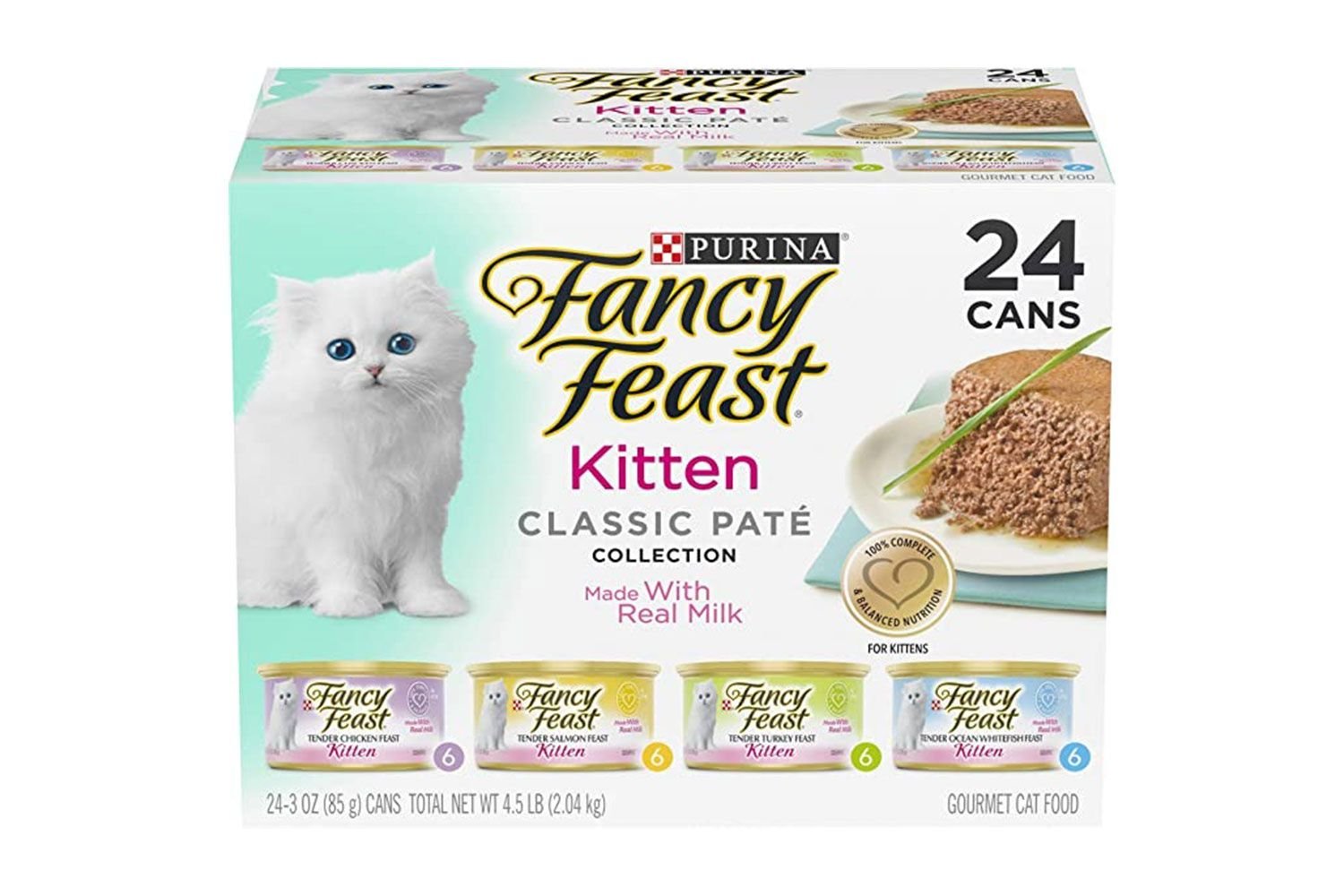
Formulated to provide the nutritional intake kittens need, Purina’s Fancy Feast Paté Wet Kitten Food is a protein-rich canned food and is made without artificial colors, flavors, or preservatives. The grain-free food is a favorite among our survey participants, and the smooth-textured recipes are made in the United States with real whitefish, turkey, chicken, or salmon as the lead source of protein.
The recommended serving is 3 ounces per 3 pounds, so your kitten will likely consume more than one can per day before you know it. The food is lower in calories than other kitten foods, but that will likely leave room in their daily diet for the occasional treat. There are four recipes within the paté line, and your kitten can explore all four in the conveniently packaged variety pack from Fancy Feast.
Type: Wet | Flavors: Chicken, salmon, ocean whitefish, turkey
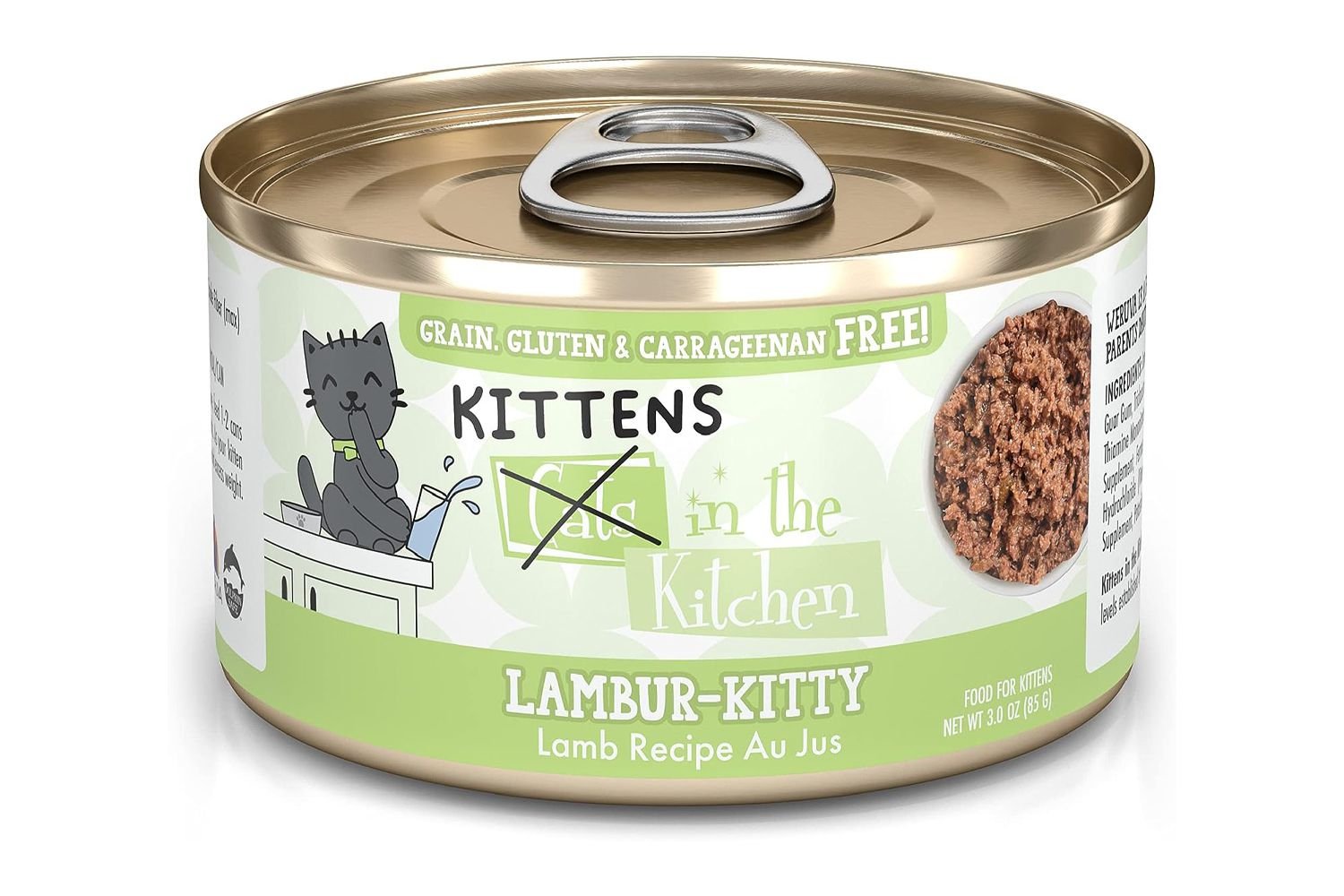
Weruva’s new Kittens in the Kitchen Lambur-Kitty is our favorite option for chicken-less kitten food. Chicken dominates the flavors and ingredients of most kitten foods, but it’s also the top protein source of cat and kitten allergies and sensitivities.
Although Lambur-Kitty has tuna in its ingredients (another possible allergy source), the main ingredients are lamb broth and grass-fed lamb. Lamb is a go-to alternative protein source for cats with chicken allergies, and this kitten food is a huge find for anyone whose kitten is a fussy eater, doesn’t like chicken, or can’t have chicken.
We also love the high moisture content and that this kitten food is free of preservatives and artificial flavors. This kitten food line also has a Kitten Gone Wild flavor made from wild-caught salmon and fish broth (again, contains tuna), giving owners an extra chicken-free option. It’s also possible to alternate the Lambur-Kitty flavor with the Kitten Gone Wild to give your cat some variety.
Type: Wet | Flavors: Lamb, salmon
What We Like
-
No artificial flavors, preservatives, or color
-
Offers probiotics and salmon oil
-
Made with chicken and duck
-
Family-owned brand
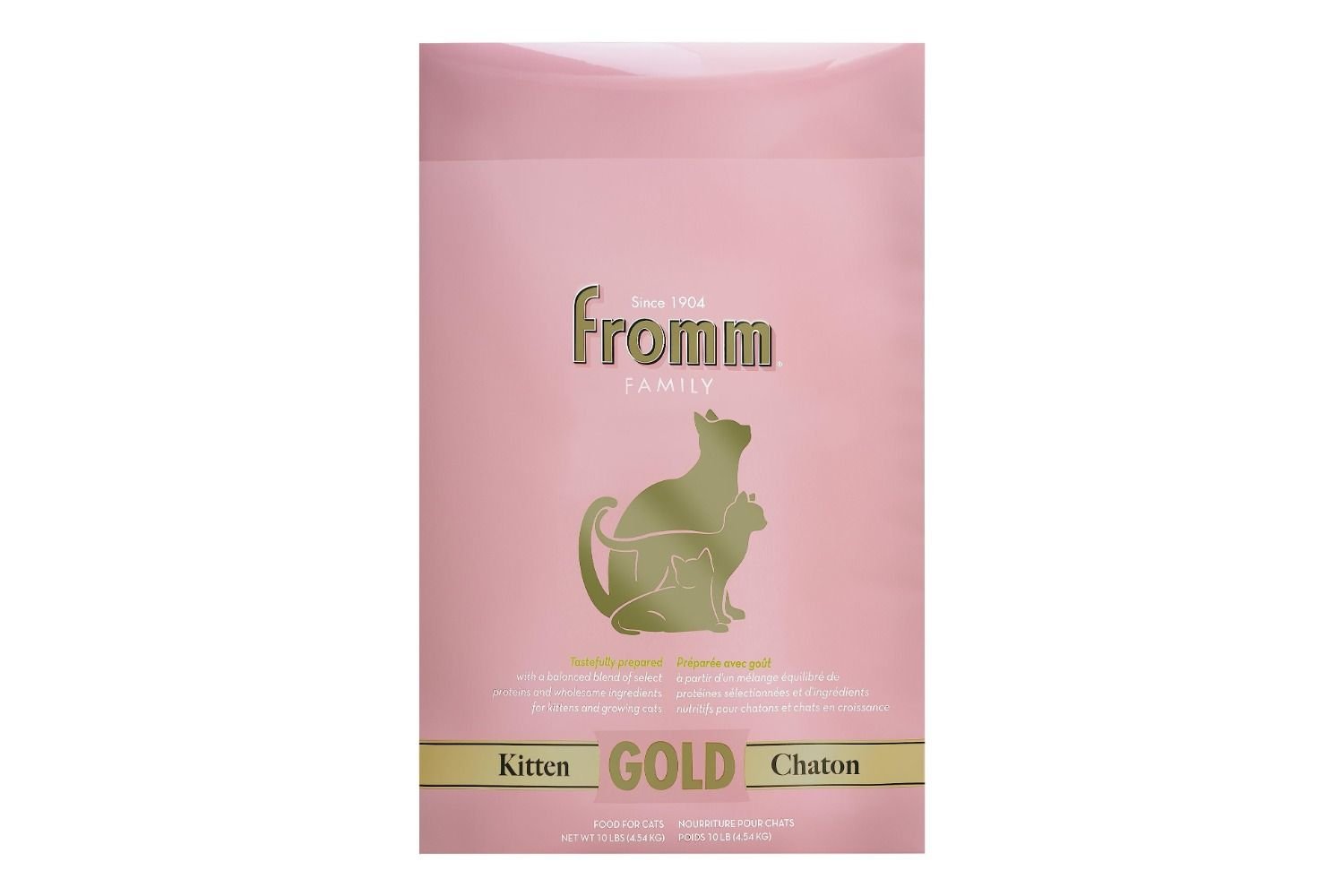
With a blend of antioxidants, prebiotics, and probiotics to aid digestion, Fromm’s Kitten Gold Food for Cats is a great choice to help any kitten experience straightforward litter box sessions. The recipes for the dry kibble and the canned wet food are made with chicken and duck, providing essential amino acids, protein, and nutrients cats need. The recipes and the flavor are enhanced with salmon oil for DHA and omega-3 fatty acids to promote a healthy coat.
The Kitten Gold Food is part of Fromm’s Gold line of foods for felines, and all are free of artificial flavors, preservatives, and colors. Fromm has been making pet food for over 20 years in its two owned and operated facilities in the United States, but its foods and treats are primarily sold at specialty shops and online retailers.
Type: Dry, wet | Flavor: Chicken & duck
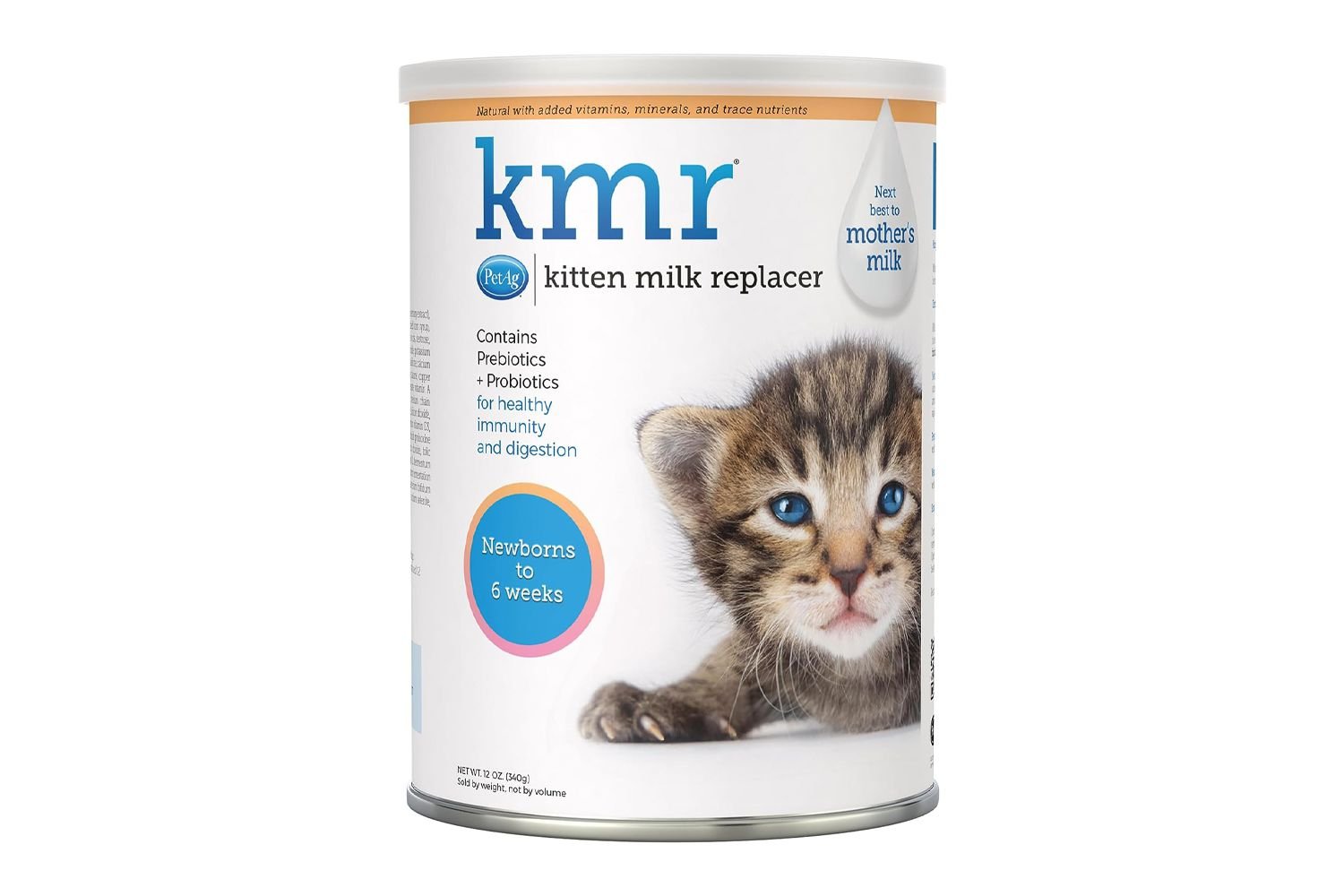
Kitten formula is most often used as a milk replacement for newborn and pre-weaned kittens, though Dr. Paola Cuevas, senior in-house vet at Pangolia, notes it’s not necessary unless your kitten’s mother is not lactating or a still-nursing kitten has been separated from their mother. PetAg KMR Kitten Milk Replacer is certified by the NASC (National Animal Supplement Council).
It’s also a top choice among animal rescuers for kittens and other baby mammals. If you’re looking for a mother’s milk replacement, you can use this for kittens and cats up to 6 weeks old, and as a supplement or mix-in for older cats, pregnant and nursing cats, or weaning kittens.
Both the powder and liquid forms are ready to use, but we recommend the powder since it lasts longer once opened and travels well. (Opened liquid formula needs to be refrigerated, and any unused portion should be tossed after 72 hours.) Kitties with sensitive stomachs may do better with the goat’s milk version.
PetAg KMR Kitten Milk is formulated to closely match the makeup of carbs, fat, and protein in mother’s milk, and includes additional prebiotics and probiotics as well as the fortification of essential vitamins and minerals. Unfortunately, it also contains carrageenan, a seaweed derivative used as an emulsifier, which may cause stomach upset and may be a potential carcinogen.
Type: Powder, liquid | Flavors: Unflavored
What We Like
-
High-fat content
-
Easily digestible
-
Lickable
-
Non-GMO ingredients
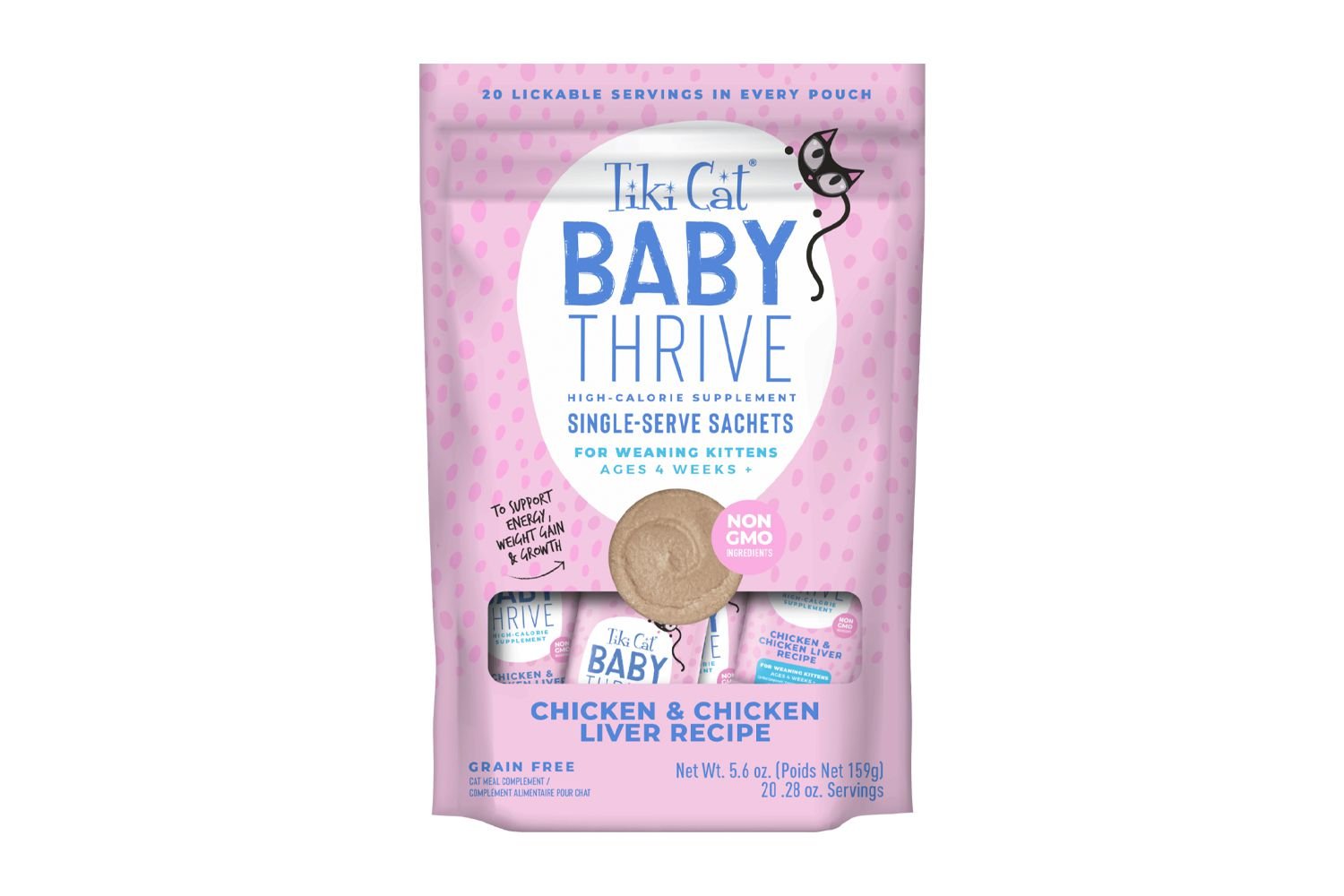
When your kitten is underweight or failing to thrive on regular kitten food, your vet may recommend bumping up their fat and calorie intake. We like these Tiki Cat Baby Thrive supplement sticks because they are easy to administer, come in single-serving squeeze packets, and require no refrigeration.
They’re a cinch to toss in your bag, car, or carrier, and pack a savory flavor punch that entices even fussy kittens. The non-GMO ingredients include proteins such as chicken, sunflower seed oil, dried egg, chicken liver, and chicken broth. (This product does contain xanthan gum, an ingredient some believe can cause gut irritability or food sensitivities.)
Tiki Cat Baby Thrive sticks can be served alone or mixed in with regular food, but they should not replace your kitten’s food entirely. Their smooth mousse texture is easily lickable, making them a good option for kitties suffering from mouth ulcers, limited or no teeth, and kittens not yet eating dry food. Each 25-calorie serving has a crude content percentage of 28% fat, 8% protein, and 62% moisture.
Type: Supplement | Flavors: Chicken and chicken liver
What We Don’t Like
-
Cats may dislike flavors
-
Not grain-free
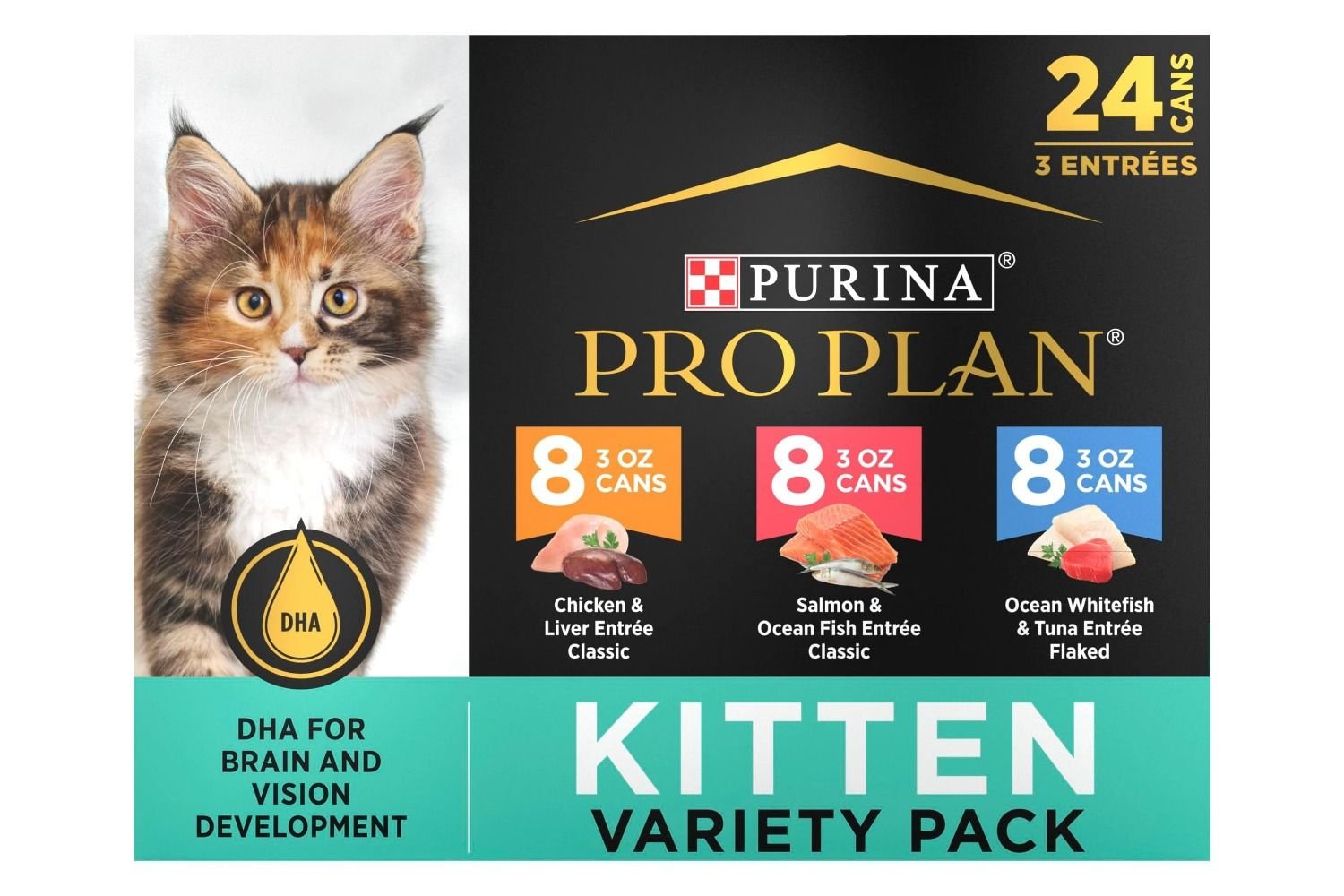
Offering your kitten a variety of flavors will get your little furball used to experimenting in the future. The Purina Pro Plan Variety Pack for kittens offers highly digestible paté or flaked foods formulated with high protein content to support your little one’s healthy growth and development in the first year.
Kittens should be fed one can per 1.5 to 2 pounds of the cat’s weight. So a 1.5-pound kitten should have one can (3 ounces) per day, but split into multiple meals. A 4-pound kitten should receive about two to two and a half cans (6 to 7.5 ounces) per day, also split up into three meals.
Purina, a classic brand, has made sure this kitten food offers outstanding nutritional support. The high-protein content supports muscle growth, while there are plenty of essential vitamins, minerals, and antioxidants. These foods also have DHA, which is critical for brain and vision development in growing kittens.
Note that your kitten may decide to stick to one favorite flavor, and the others may go to waste. If that’s the case, this pick can become a little pricey.
Type: Wet | Flavors: Ocean whitefish and tuna, chicken and liver, and salmon and ocean fish
What to Look For in Kitten Food
Ingredients
“Kitten food should be calorie-dense, based on high-quality animal proteins and healthy fats, and contain minimal carbohydrates to feed a tiny carnivore,” Dr. Paola Cuevas, senior in-house vet at Pangolia, told The Spruce Pets.
Dr. Cuevas warns to avoid kitten foods that contain meat meals and generic meats instead of a clearly defined ingredient. Instead, seek out kitten foods with high-quality animal and fish proteins and good fats. “By knowing exactly what goes into your kitten’s food, you have the ability to recognize if there is a specific ingredient that does not agree with their tiny guts,” she says. Like all cats, kittens require supplemented taurine in their diet, while DHA helps promote healthy brain and eye development.
Portion Size
Kittens eat a lot. It’s extra important to check the portion size for each food so you can make sure you’re feeding your growing kitten enough of the calories it needs. Portion size is also key to budgeting, especially when it comes to more expensive brands; the food you select may require several portions per day and need to be purchased in larger quantities.
Life Stage
Since kittens have specific dietary needs, Dr. Cuevas emphasizes the importance of selecting a food specifically labeled as being for kittens or all life stages. This will “guarantee it contains all the nutrients and building blocks your tiny carnivore needs for the growth and development of their bodies and various organ systems,” she says.
AAFCO Standards
It’s also a good idea to make sure whatever kitten food you buy is AAFCO approved. The Association of American Feed Control Officials (AAFCO) is a nonprofit group that sets pet food standards across the United States. Pet food that adheres to AAFCO standards will always have a statement of adequacy on its outer packaging. It is an easy way for pet owners to identify whether the product is nutritionally adequate, species-appropriate, and for the intended life stage.
How We Found the Best Foods for Kittens
In addition to seeking the advice of veterinary and regulatory experts, we developed a comprehensive questionnaire that would allow us to gather data from real cat guardians about what they look for in a food for their cat, along with their feline’s particular preferences and needs.
In total, we polled 299 households with at least one cat, gathering details on each cat’s age, weight, and breed. Using our proprietary data, we were able to evaluate and quantify responses by life stage (kitten, former-kitten, and senior), dietary needs, common ailments, and other factors commonly addressed through cat foods. Using a combination of numerical scoring and detailed feedback, we narrowed down more than 20 high-quality candidates to highlight only the very best foods for kittens.
FAQ
-
How long should you feed your cat kitten food?
You can start introducing kitten food into your new cat’s diet once they are at least 4 weeks old, though Dr. Cuevas says 5 to 6 weeks old is more ideal. Kitten food is usually recommended for cats up to 12 months old, though Dr. Cuevas says you can easily extend this until 18 months old. The process of transitioning your baby kitten from mother’s milk (or formula) to kitten food should take at least two weeks.
“Allowing kittens to drink their mother’s milk for longer is better for their full and natural development,” she says. “Research shows that if a kitten is weaned too early, it increases the risk of aggression and stereotypic behavior in cats.”
-
How much food should a kitten eat?
Every kitten is different, and Dr. Cuevas notes that the amount of food a kitten should eat will depend on several factors, such as the kitten’s breed, age, activity level, and caloric levels in the food. However, she says owners should be prepared to feed their kittens several small meals per day because of their energy needs and tiny stomach capacity.
For example, to start, you may be feeding around six small meals spread throughout the day. Gradually, you can decrease the number of feeds while increasing the amount of food in each meal until you’ve reached a point where you can divide your kitten’s daily food into three meals. When in doubt, use the feeding guidelines listed on your food’s packaging and take cues from your kitten.
-
How do I switch from kitten food to adult cat food?
Switching from kitten food to adult cat food should be done gradually, ideally over at least two weeks, while keeping an eye on your kitten and its toilet habits. Dr. Cuevas suggests starting by feeding your kitten meals that are 90% kitten food and 10% adult cat food for a couple of days. You can then increase to 25% kitten food and 75% adult cat food, again for a few days to let their digestive system get used to the new diet. By the end of the second week, your kitten can graduate to 100% adult cat food.
Top Tested Kitten Essentials
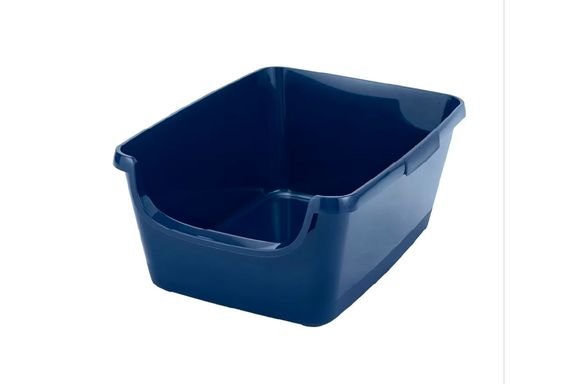
The U-shaped entrance offers easy access and visibility for cats, while high walls prevent litter from being kicked out.
Made from breathable mesh, the lightly padded vest harness has two adjustable points and two easy-snap buckles.

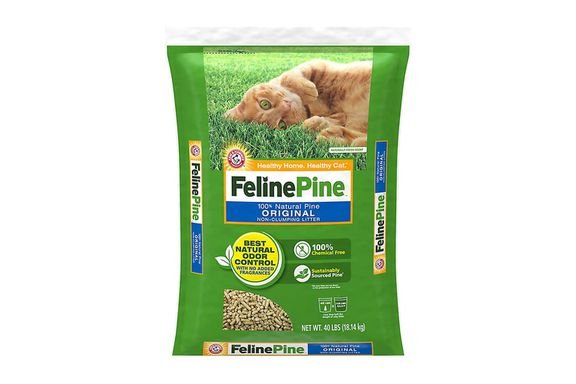
It provides effective odor control with highly absorbent fibers from sustainably sourced reclaimed pine combined with baking soda.
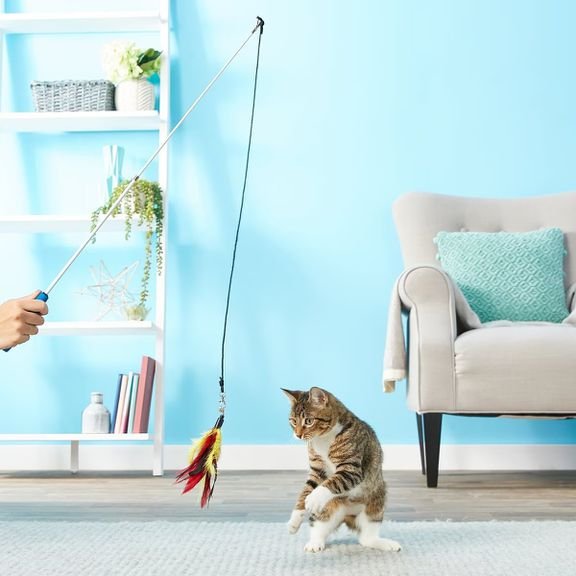
The 30-inch wand is flexible but not too bendy, with a comfortable foam handle that makes it easy to wield.
Why Trust The Spruce Pets
This story was updated by Anna Mejorada, an editor for The Spruce Pets, who shares her home with a happy pomeranian named Gidget. We also took a comprehensive survey on preferred brands and feeding habits. Each respondent provided data on their cat’s age, size, and breed, in addition to a detailed history of the cat food brands and products they mutually enjoy.
The original story was written by Katherine Alex Beaven, a contributor for The Spruce Pets who has raised 13 cats from kittens, most recently with her picky cat @hellomisterbo. In her research to uncover the best food for kittens, Alex consulted Dr. Paola Cuevas, senior in-house vet at Pangolia, the parent company of Catster.com, and did hours of research, taking her personal experience feeding young, sensitive stomachs and fussy eaters into account.
#Kitten #Foods